
The Bioeconomy: A Greener Future in Motion
Introduction
When people talk about saving the planet, the conversation usually circles around solar panels, electric cars, or recycling bins. While those things matter, there’s another force quietly transforming our world—the bioeconomy. Instead of relying on fossil fuels and extractive industries, the bioeconomy uses living systems like plants, algae, and microbes to create the products, food, and energy we rely on daily.
It’s science, yes—but it’s also creativity, resilience, and hope rolled into one. And here’s the best part: you’re probably already part of it without even realizing it.
Let’s dive into what makes the bioeconomy so exciting, why it matters, and how it connects to sustainability and climate solutions.
What Exactly Is the Bioeconomy?
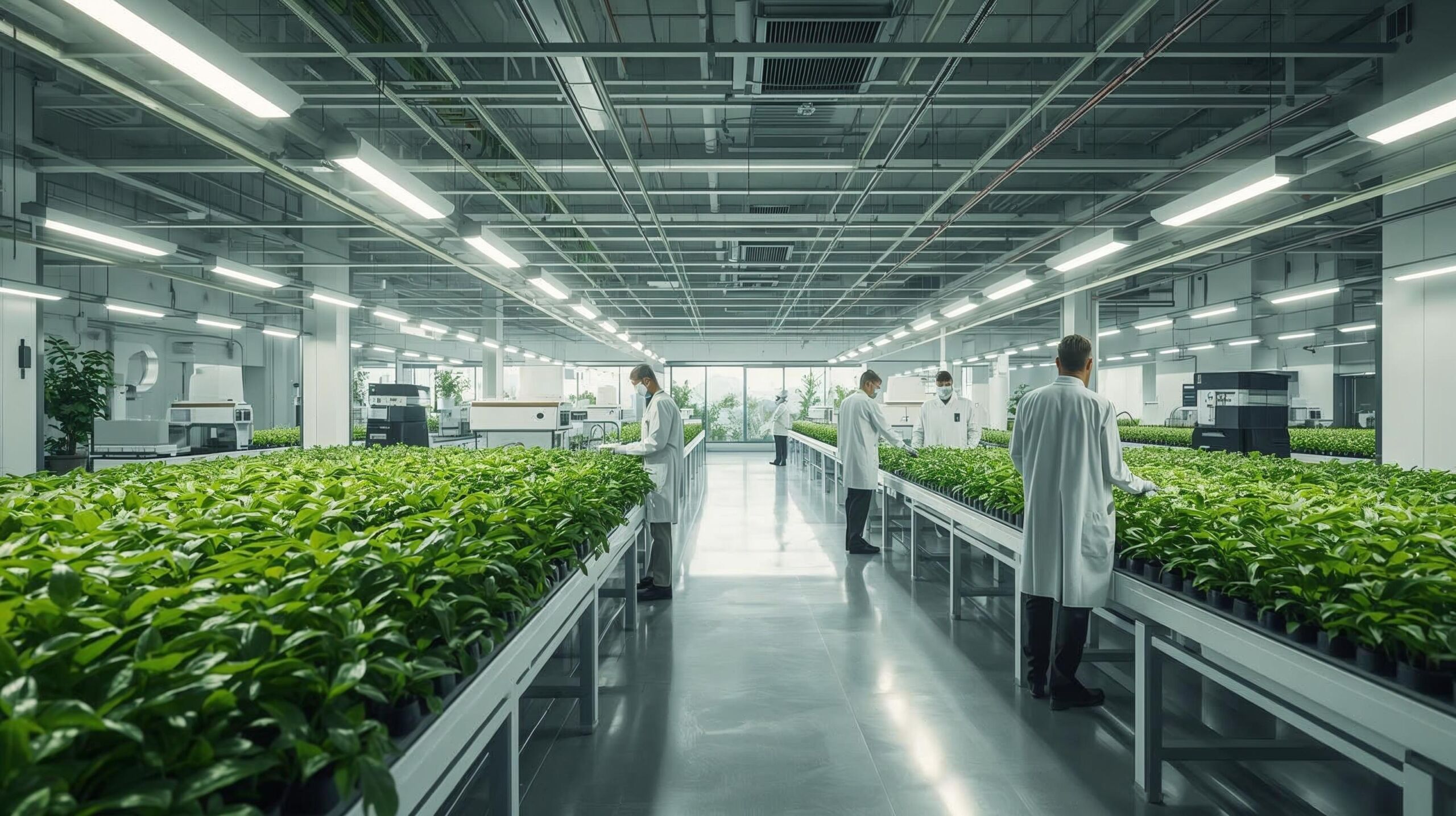
When you hear the word “bioeconomy,” your mind might jump to labs, scientists in white coats, and complicated jargon you’d rather avoid. But don’t worry—you don’t need a PhD to understand what this is all about.
In simple terms, the bioeconomy is the part of our economy that uses biology instead of fossil fuels to create products, energy, and services. Sounds futuristic? Actually, it’s happening right now all around you, and chances are, you’ve already interacted with it today.
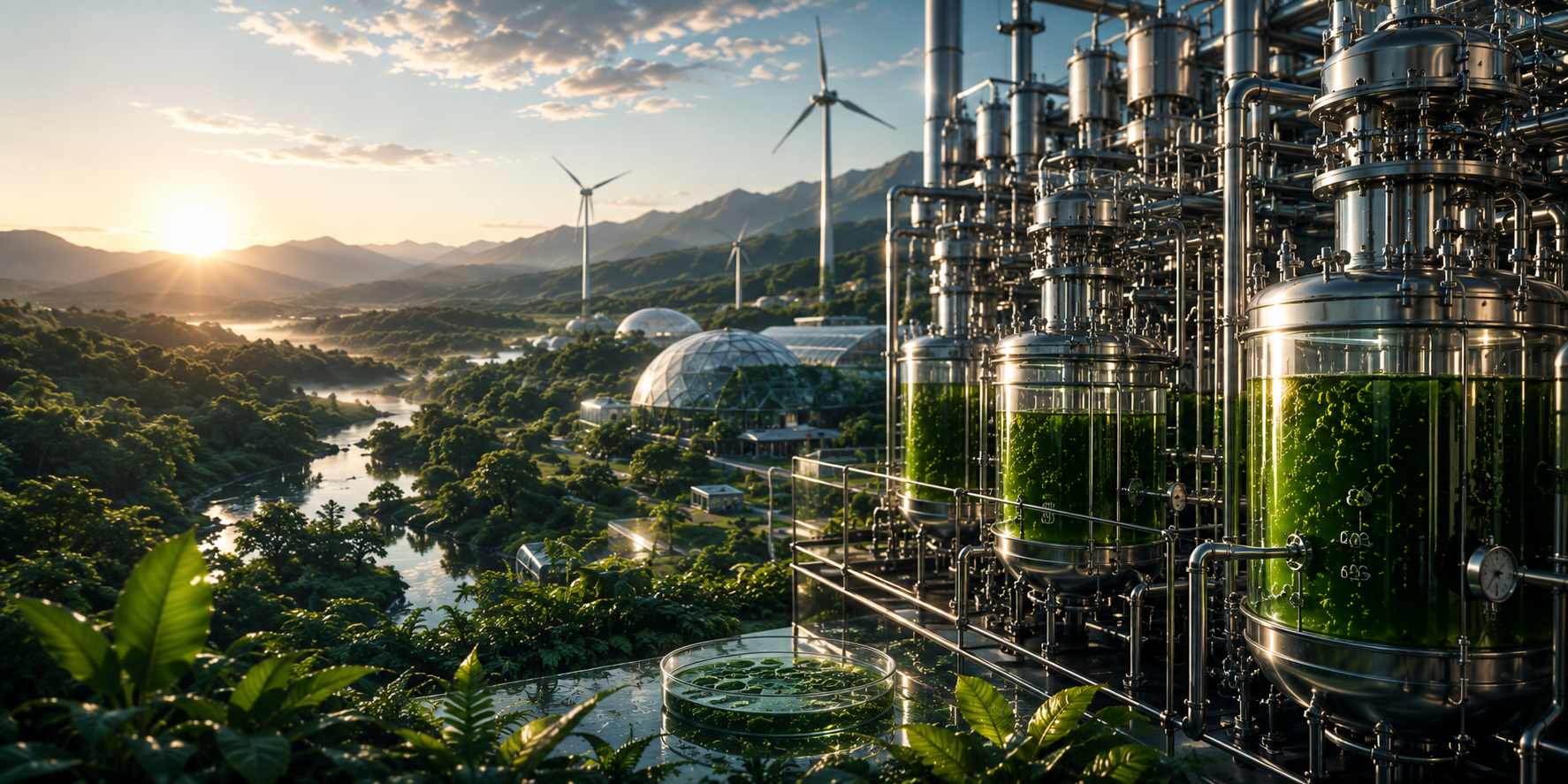
The beauty of the bioeconomy is that it takes something we’ve always known—life itself—and turns it into a resource for building a cleaner and more sustainable world. Instead of digging deeper for coal, oil, or gas, the bioeconomy looks at renewable living systems like plants, microbes, algae, and even waste, asking: “What useful things can we create from this without destroying the planet?”
The answers are surprisingly exciting, and the possibilities are almost endless.
👉 By 2030, the global bioeconomy is projected to reach over $30 trillion (OECD, 2018). That means biology is not a niche—it’s becoming one of the biggest engines of economic growth worldwide.
Everyday Life With a Bio Twist
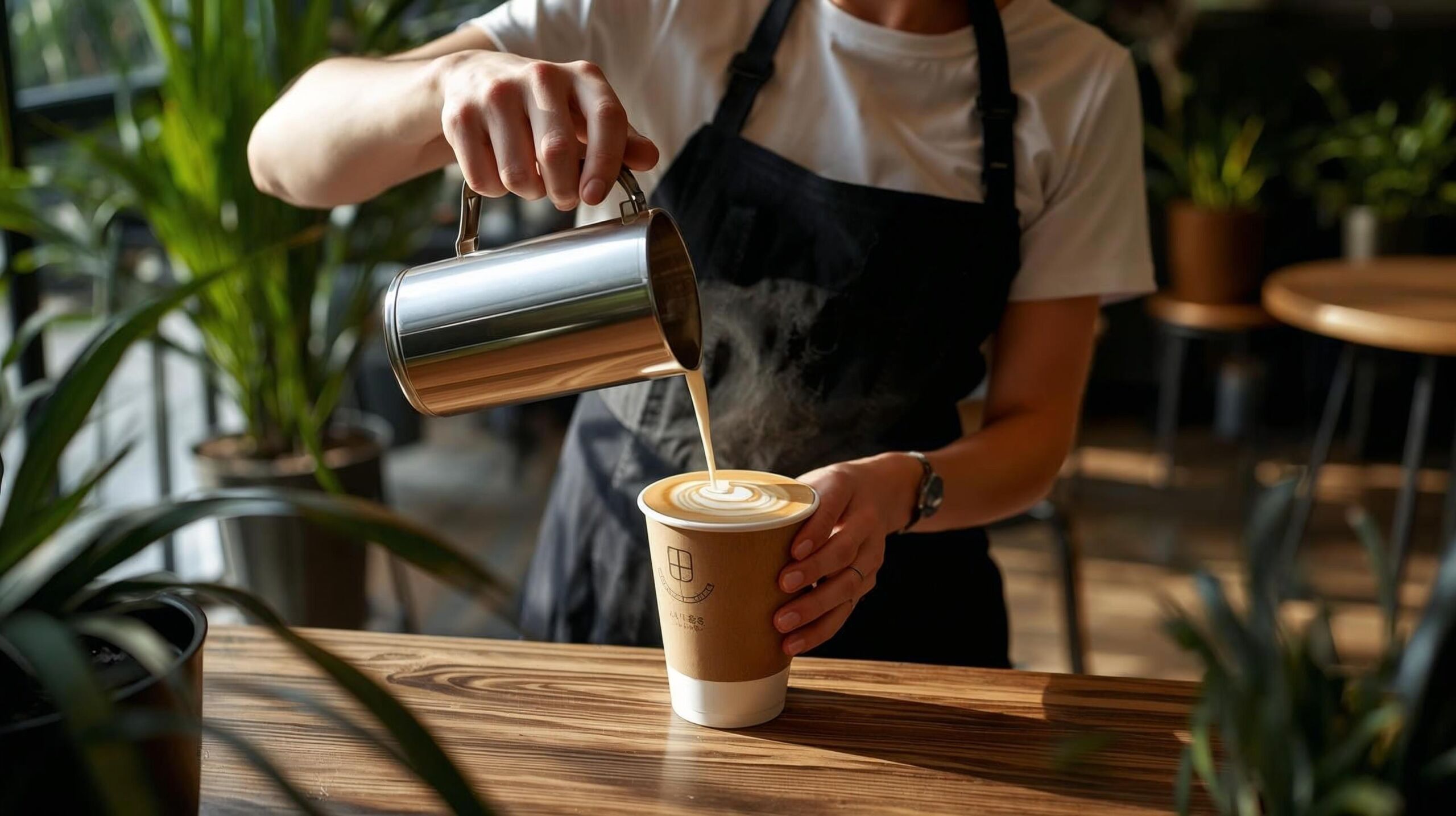
That oat latte at your favorite café? That’s bioeconomy in action. Those compostable straws that sometimes collapse mid-sip? Also bioeconomy. Every bio-based alternative you choose is part of this growing system, gently nudging the world toward sustainability.
Nature as an Engineer
Instead of drilling or burning, the bioeconomy learns from nature.
- Algae become fuels
- Fungi become fabrics
- Microbes become recyclers
It’s collaboration, not confrontation.
Why It Matters to You
Cleaner air, safer food, and healthier ecosystems aren’t distant dreams—they’re the everyday benefits of living in a bioeconomy-powered world.
But there’s more: this isn’t just about doing less harm. Biology builds entirely new ways of living that don’t rely on limited fossil resources. Instead of extracting, burning, and polluting, biology shows us how to reuse, regenerate, and recycle naturally.
Turning Waste Into Wonder
- Cities as power plants: Stockholm converts organic waste into biogas to fuel buses and taxis, reducing methane emissions and cleaning the air (Stockholm Vatten och Avfall).
- Food waste to fuel: Globally, biogas from waste is projected to offset up to 500 million tons of CO₂ per year if scaled widely (IEA, 2020).
Farming Smarter With Nature
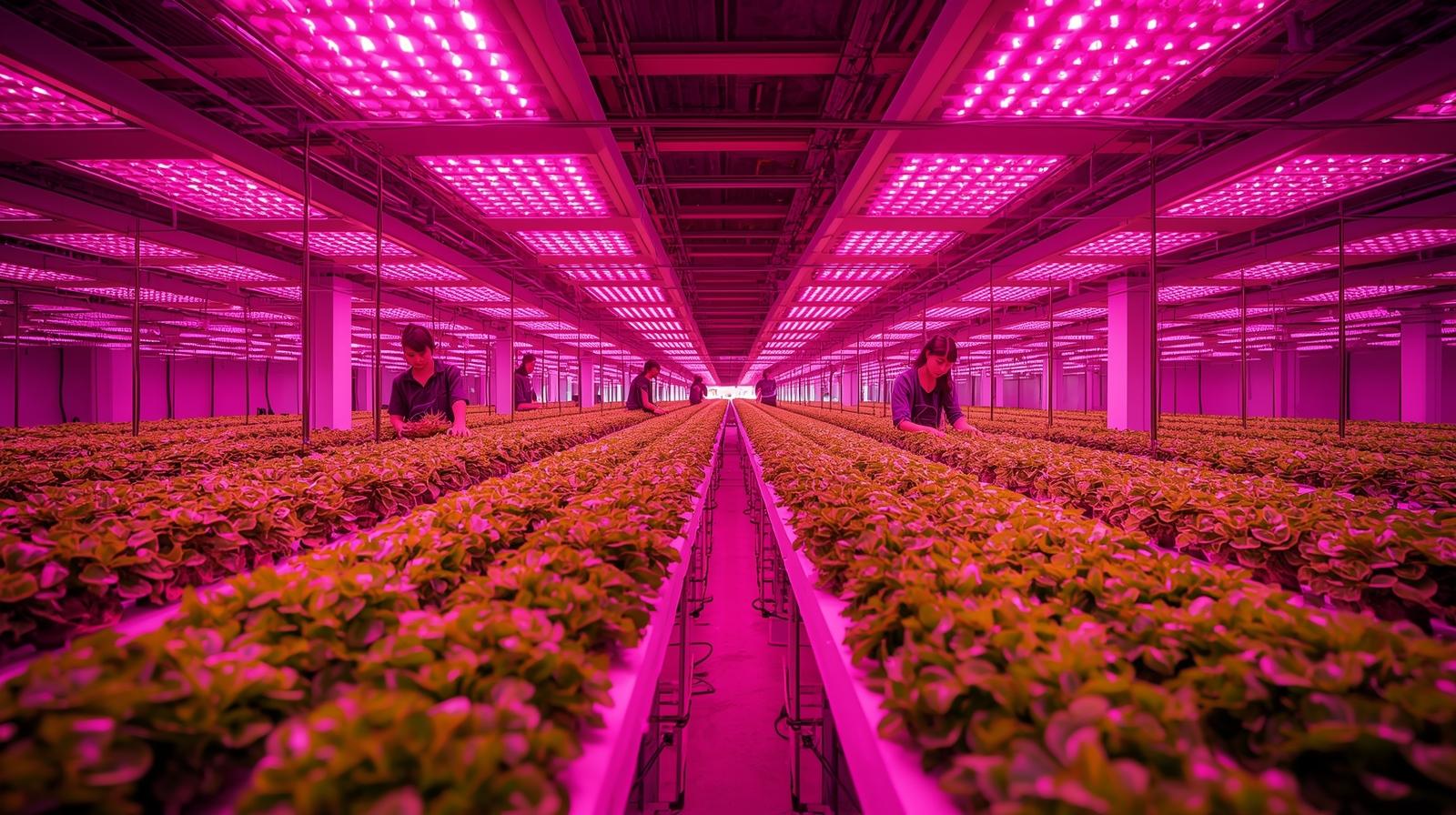
- Microbial fertilizers: Farmers in India and Africa are adopting biofertilizers that restore soil health and reduce chemical dependence, helping farms stay productive even under climate stress (FAO Biofertilizers Report, 2022).
- Vertical farms: In Singapore, high-tech urban farms grow food sustainably in dense cities, cutting transport emissions while securing local food supplies.
Green Energy From Living Systems
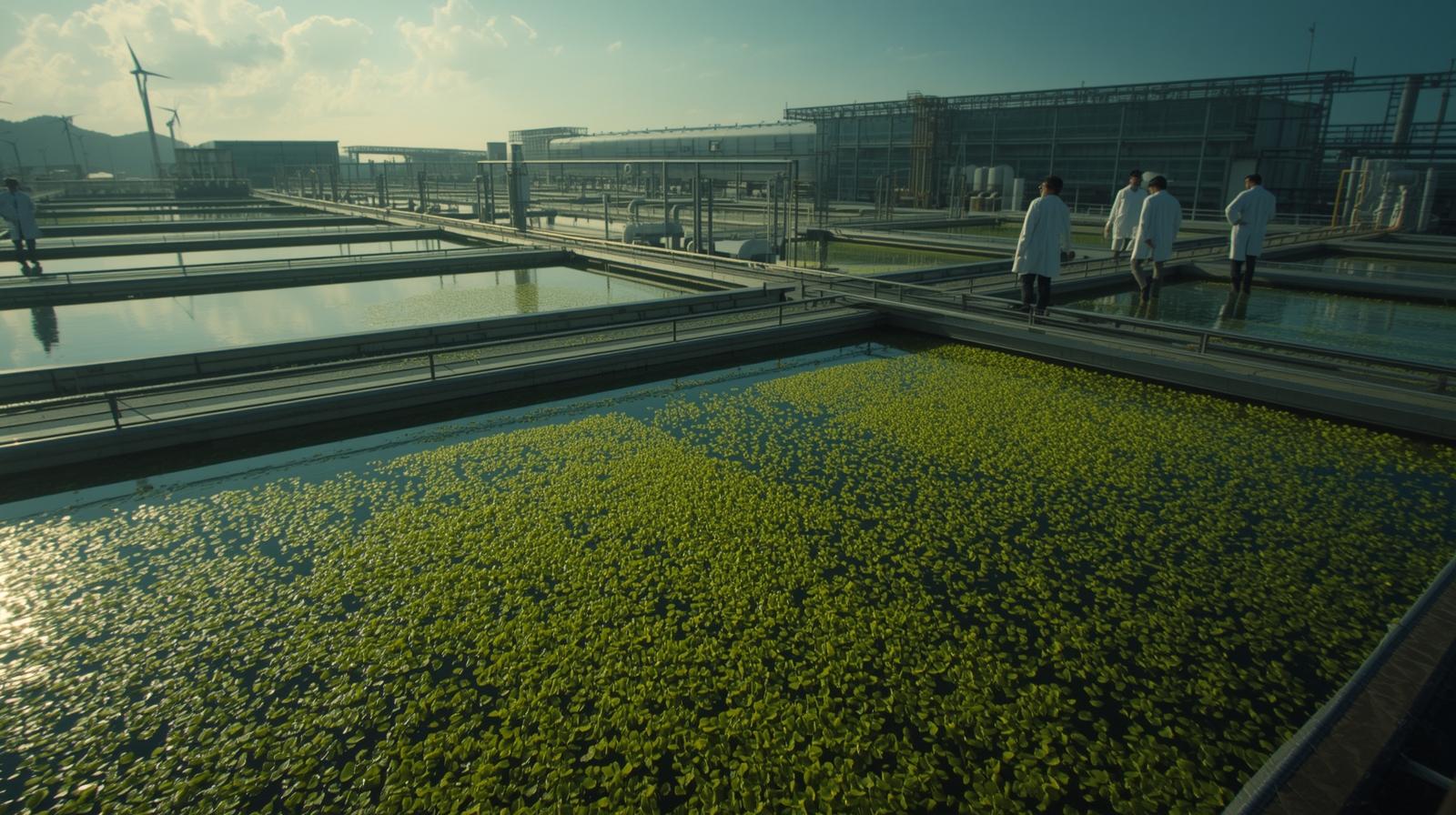
- Biofuels: Algae and crops are being transformed into low-emission fuels that power cars, ships, and even planes. Airlines such as United and KLM already blend biofuels into flights.
- Emissions savings: Advanced biofuels can reduce lifecycle emissions by 50–80% compared to fossil fuels (IEA, 2022).
Fashion, Plastics, and Everyday Products
From mushroom leather shoes to seaweed packaging, biology is reshaping industries you interact with daily, shrinking footprints while boosting creativity. Adidas and Stella McCartney have already launched mushroom leather prototypes (Bolt Threads).
The Promise—and the Challenges
The bioeconomy is not a silver bullet. Challenges remain:
- Scaling up production while keeping costs competitive
- Avoiding land-use conflicts with food production
- Ensuring equitable access to new technologies
Still, investment and innovation are accelerating. Global spending on bio-based R&D has surged in the last decade, with governments and private companies betting big on biology as a cornerstone of climate action.
Why It Matters for Future Generations
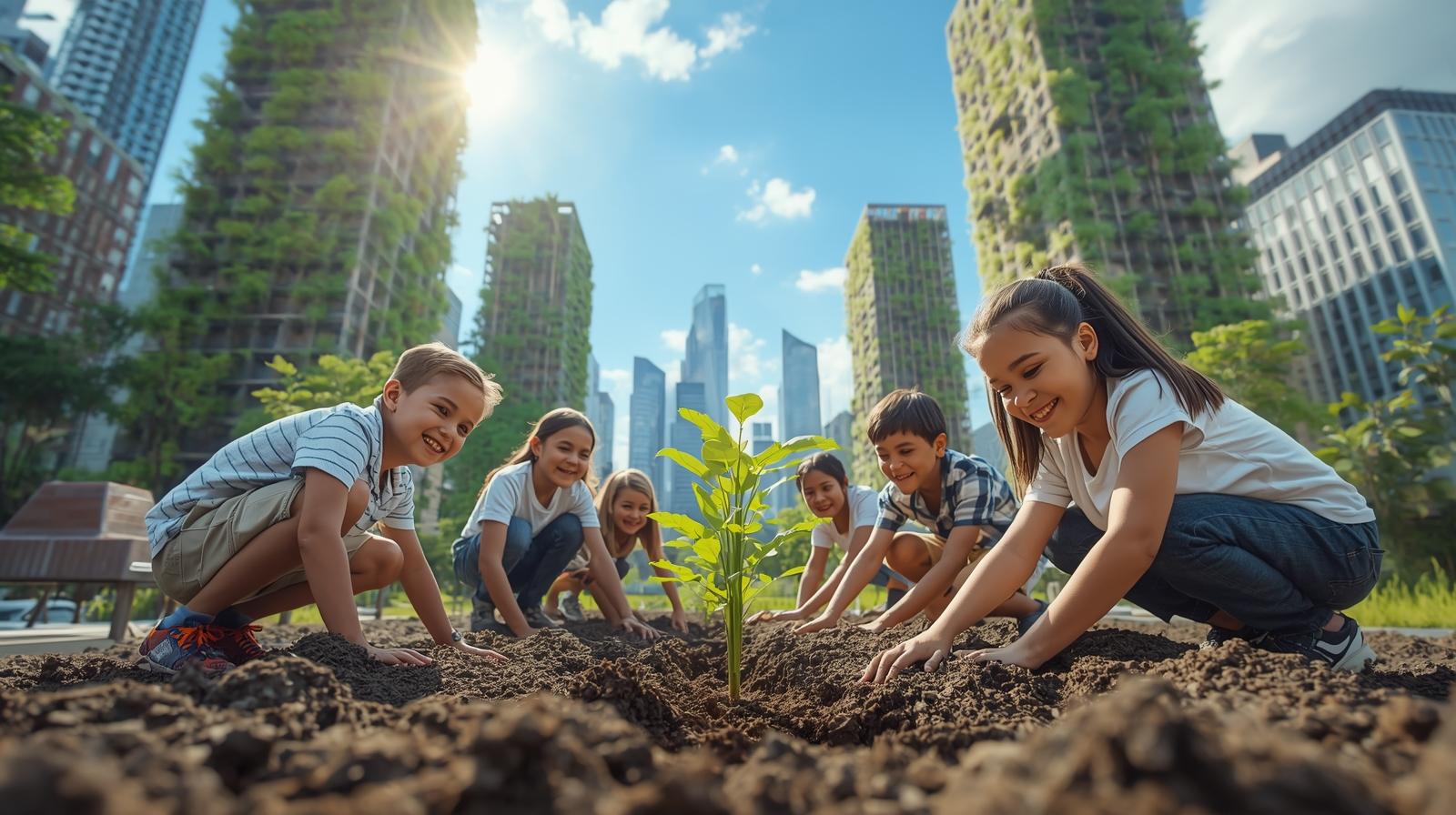
When you think about the future, you might picture robots, flying cars, or space travel. But beneath it all lies something more essential—the health of our planet.
The bioeconomy is about building a future that’s livable, resilient, and full of opportunity for generations to come.
- A Planet That Still Provides: By regenerating resources instead of depleting them, the bioeconomy ensures tomorrow’s children inherit fertile soils, clean air, and thriving oceans.
- Jobs of the Future: The EU estimates its bioeconomy already supports over 17 million jobs (European Commission, 2022). From lab-grown fabrics to waste-to-energy farms, these careers carry purpose and impact.
- Resilience in a Changing Climate: Nature-based systems offer adaptive safety nets, helping future generations cope with floods, droughts, and unpredictable weather.
Conclusion
The bioeconomy isn’t just about replacing fossil fuels or inventing quirky alternatives; it’s about reimagining how we live, produce, and consume in harmony with nature. From powering buses with food scraps to weaving mushrooms into sneakers, biology is proving it can tackle climate change while making life healthier and more exciting.
Most importantly, it’s not only about us—it’s about the generations to come. By supporting bio-based industries, choosing sustainable products, and backing policies that invest in biological innovation, you’re helping shape a future where sustainability is the norm, not the exception.
That’s a legacy worth leaving behind.