
Synthetic Biology vs. Genetic Engineering vs. Biotechnology: Breaking Down the Basics
When people first hear the terms synthetic biology, genetic engineering, and biotechnology, it’s easy to assume they are interchangeable. After all, all three involve biology, innovation, and technology. Yet, beneath the surface, each occupies a distinct niche in modern science. Understanding these distinctions is not just academic — it provides insight into how these technologies shape our daily lives, influence global industries, and will define the future of healthcare, agriculture, and sustainability.
Biotechnology: The Broad Foundation
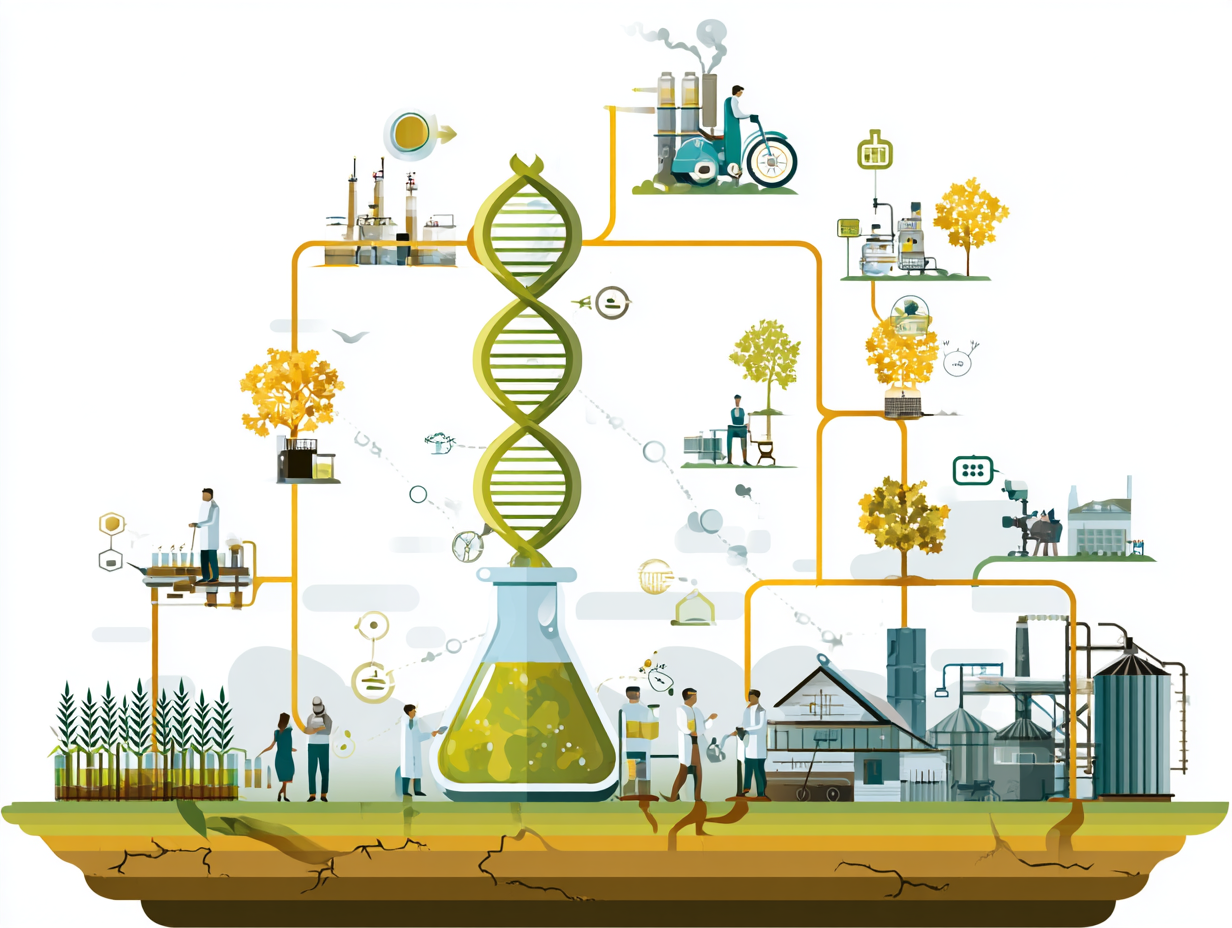
At its core, biotechnology is the broadest of the three. It encompasses any technology that uses living organisms or biological systems to solve problems. This includes ancient practices like brewing beer with yeast and modern tools such as microbes in wastewater treatment, or enzymes in detergents (NHGRI – What is Biotechnology?).
Biotechnology spans both tradition and innovation. The production of antibiotics like penicillin changed healthcare forever, while today’s innovations range from precision fermentation to create sustainable materials to meat alternatives (Biotechnology Innovation Organization)
Genetic Engineering: Precision at the DNA Level
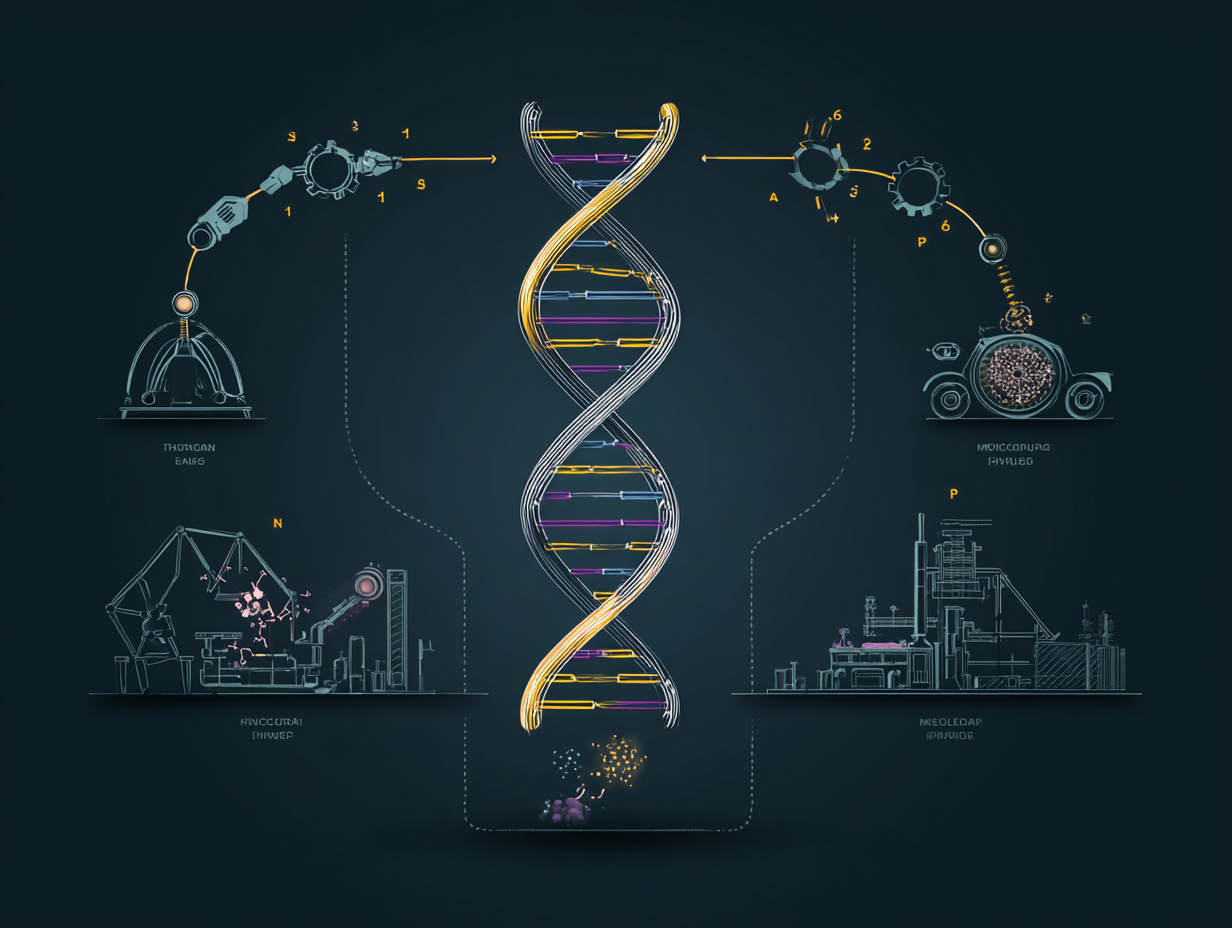
Genetic engineering narrows the focus to direct modification of DNA. Scientists can add, remove, or edit genes to achieve specific outcomes. This gave rise to pest-resistant crops, insulin-producing bacteria, and even glow-in-the-dark fish (FDA – Science and History of GMOs).
In medicine, inserting human genes into bacteria allowed for large-scale insulin production, transforming diabetes care (American Diabetes Association). In agriculture, genetically modified crops like Bt corn help reduce pesticide use and boost yields, showing how precise DNA edits deliver tangible benefits (FAO – Genetically Modified Organisms).
Synthetic Biology: Designing Life from Scratch
While genetic engineering edits existing DNA, synthetic biology goes further by designing and building entirely new genetic systems. Think of it as moving from editing the story to writing new chapters in the book of life (MIT Synthetic Biology Center).
For instance, microbes have been engineered to brew vanilla flavoring without relying on traditional farming (Nature Biotechnology). Other projects include synthetic organisms that absorb carbon dioxide or detect toxins, tackling climate and health challenges head-on (National Academies of Sciences).
Why the Distinction Matters
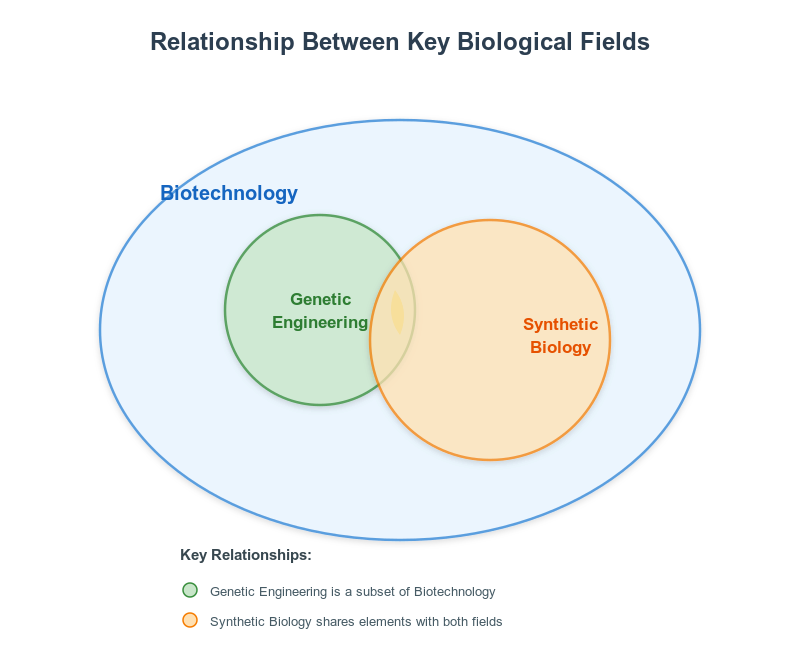
You may wonder why these differences matter if all three fields overlap. The answer lies in their scope and potential. Biotechnology provides the overarching framework, genetic engineering delivers precise edits, and synthetic biology pushes the boundaries of innovation (Nature Reviews Genetics). Together, they form a continuum of scientific progress.
The Evolution of Ideas
The history of these fields reflects humanity’s progression from observation to intervention to creation. First, humans learned to harness existing biological processes, laying the groundwork for biotechnology. Later, genetic engineering introduced precise modifications at the DNA level, allowing predictable and replicable outcomes. Today, synthetic biology exemplifies a paradigm shift, treating life as programmable and designable.
This trajectory mirrors broader scientific trends: curiosity driving innovation, experimentation refining techniques, and creativity expanding the boundaries of possibility. Each step has built upon the last, demonstrating how knowledge accumulates and transforms industries, society, and even daily life.
Everyday Life: How You Already Encounter Them
Despite their sophistication, these technologies are already woven into daily life. Biotechnology appears every time you consume antibiotics, enjoy dairy products, or use enzyme-enhanced detergents. Genetic engineering shapes the food on supermarket shelves, from soybeans to drought-tolerant corn, and supports modern medicine like recombinant insulin. Synthetic biology is emerging in the products we may take for granted in the near future: lab-grown flavors, sustainable fabrics, and eco-friendly materials.
The quiet integration of these technologies underscores a fundamental reality: science often works behind the scenes, improving lives in ways that are seamless and invisible.
Beyond Convenience: Addressing Global Challenges
The influence of these technologies extends far beyond convenience. They address some of the most pressing challenges of the 21st century. Biotechnology enables sustainable food production and environmental management. Genetic engineering offers the promise of gene therapies that target diseases at their root cause. Synthetic biology holds potential for climate remediation, bio-manufacturing, and creating entirely new classes of materials.
The convergence of these disciplines represents a profound shift: humans are no longer merely using biology; we are partnering with and shaping it to solve global-scale problems.
Looking Ahead: The Future Frontier
The next decade promises even more transformative developments. Biotechnology will likely focus heavily on sustainability, with innovations in biofuels, precision fermentation, and industrial biomanufacturing. Genetic engineering will enter an era of advanced gene editing, potentially eradicating hereditary diseases once thought incurable. Synthetic biology will continue to expand the imagination, creating living systems that act as climate warriors, precision therapeutics, and smart materials.
This future, however, comes with ethical, societal, and governance challenges. Questions of equity, access, and responsible innovation are critical to ensure these powerful technologies benefit humanity broadly rather than a privileged few.
The Bigger Picture
From early fermentation to DNA editing to the creation of synthetic life, these fields chart humanity’s evolving relationship with nature. Biotechnology, genetic engineering, and synthetic biology are not isolated disciplines but interconnected layers of progress. Each builds upon the other, collectively shaping our health, environment, and society.
Recognizing these distinctions is vital. They help us navigate ethical questions, anticipate societal impact, and imagine a future where biology is not just observed but designed responsibly. The story of these technologies is a story of human ingenuity — one that will continue to redefine what is possible.