
What is Synthetic Biology? A Beginner’s Guide to the Future of Life
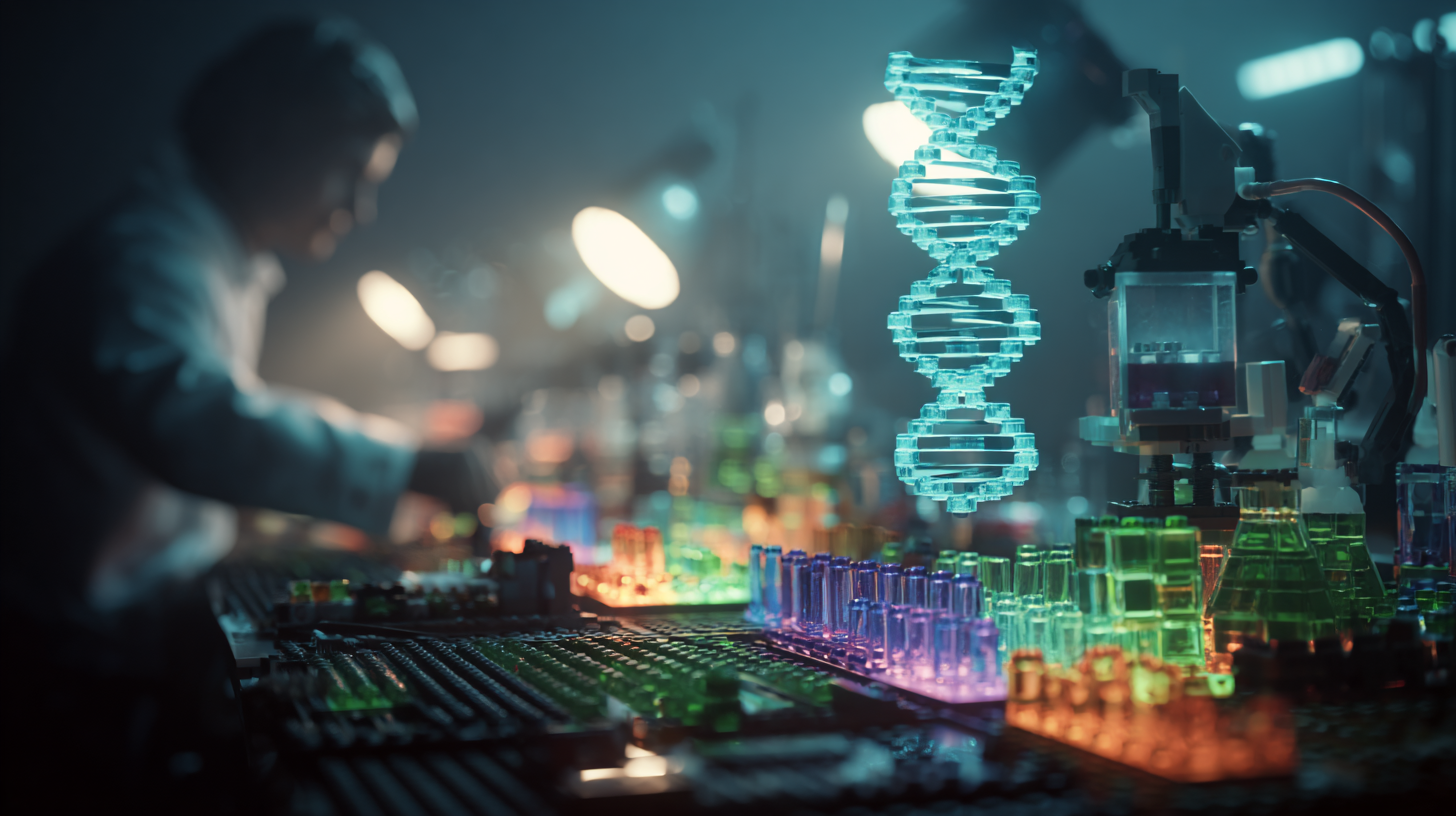
Synthetic biology sounds like a phrase pulled straight from a science fiction movie, but in reality, it’s one of the most exciting sciences shaping our present and future. From lab-grown burgers to eco-friendly fabrics and life-saving medicines, this fast-growing field combines biology, engineering, and creativity to redesign life’s building blocks.
In this guide, we’ll walk through the basics of synthetic biology, from understanding life like Lego bricks to seeing how it has emerged from science fiction into our daily lives. Whether you’re a student, a curious reader, or someone looking to understand the buzz around this field, you’ll find simple explanations, relatable examples, and maybe even a touch of wonder.
Life as Lego Bricks – Breaking Biology into Parts
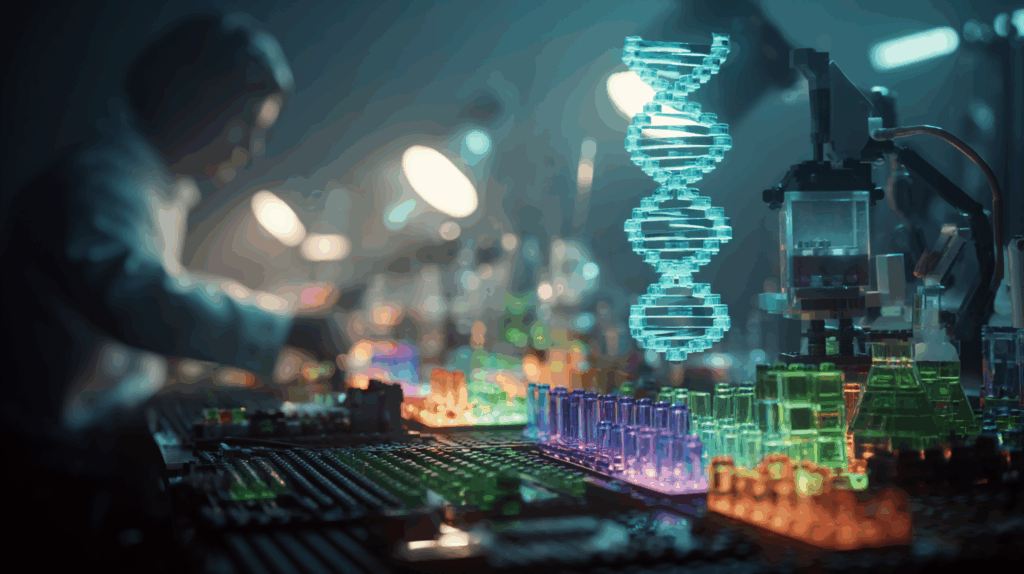
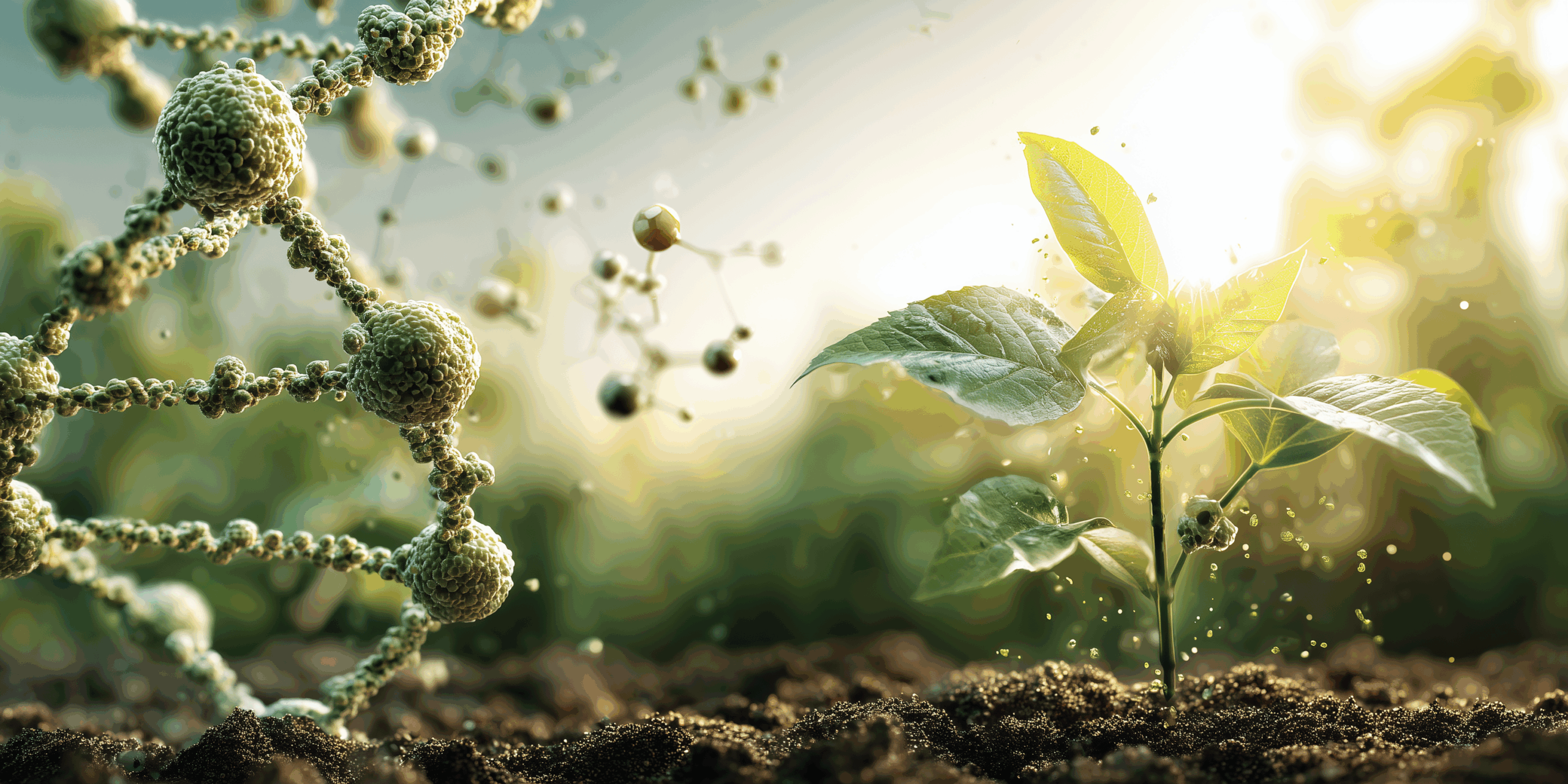
Think back to the joy of snapping Lego pieces together to build castles, cars, or rockets. Synthetic biology works in a similar way—except the bricks are DNA, proteins, and cells. Instead of toys, scientists are building medicines, sustainable fabrics, and even glowing plants.
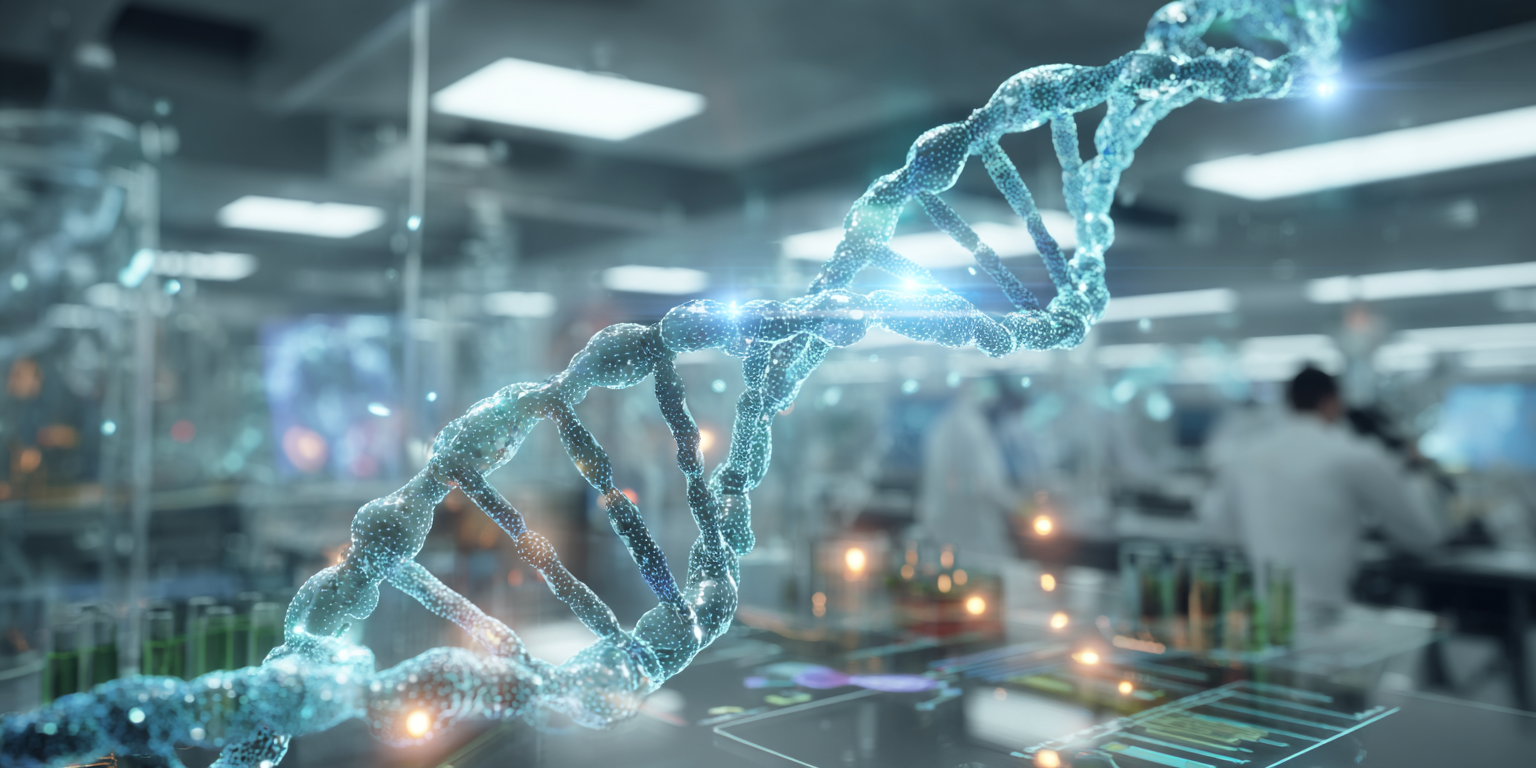
Synthetic biology views DNA as a genetic instruction manual. Just like swapping Lego pieces, researchers can rearrange genes to create new behaviors in cells. This modular approach allows parts to be reused across organisms, much like one Lego piece can fit into many builds.
Why does this matter? Because it turns biology from a messy natural system into an organized, creative toolkit. Imagine having a library of parts: one gene to make cells glow, another to produce sugar, another to fight disease. By clicking these together, researchers design organisms that can clean up pollution, produce food, or even act as living sensors.
From Science Fiction to Labs – How the Field Emerged
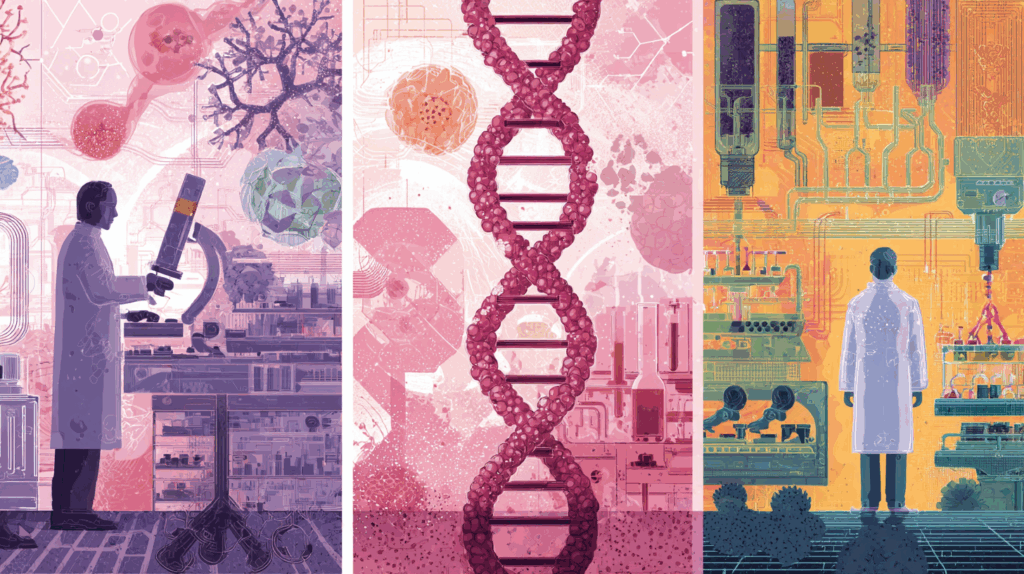
Synthetic biology didn’t start in labs—it began in imagination. Science fiction writers dreamed of engineered creatures, glowing plants, and even revived dinosaurs. These stories fueled curiosity and inspired scientists to ask: “Could this actually happen?”
- 1953 – DNA’s structure was discovered (Nature), unlocking the language of life.
- 1970s – Gene transfer between species proved life could be redesigned (Nature Education).
- 2003 – The Human Genome Project was completed (NIH), giving scientists the full “blueprint” of human DNA.
- 2010 – The first synthetic cell was created (JCVI), controlled by a chemically synthesized genome.
- 2012 – CRISPR-Cas9 gene editing emerged (Broad Institute), making DNA editing precise and affordable.
By the 2000s, synthetic biology took shape as a discipline. Competitions like iGEM invited students to design “bio-circuits” that made cells behave like tiny computers.
What once felt like wild imagination is now real science. Today, synthetic biology powers industries from food and fashion to medicine and clean energy. The line between fiction and reality has blurred, and you’re living in the middle of that transformation.
Everyday SynBio – Food, Fabrics, and Medicine Examples
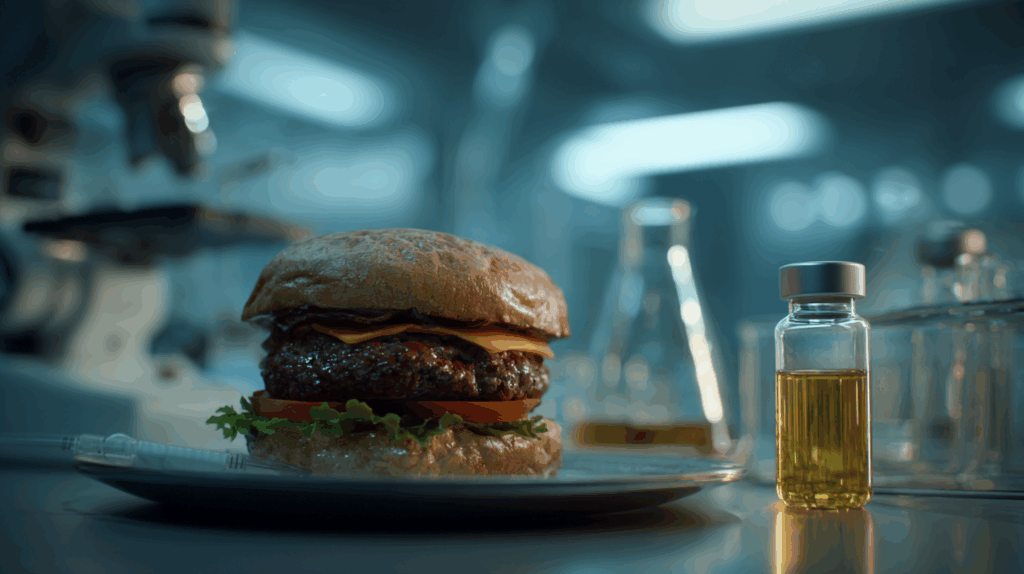
You don’t need to peek into a lab to see synthetic biology at work—it’s already in your fridge, closet, and medicine cabinet.
Food: Plant-based burgers taste meaty because yeast is engineered to make heme, the protein that gives beef its flavor (Impossible Foods). Microbes now brew milk proteins for dairy-free ice cream (Perfect Day), and chocolate companies are exploring lab-grown cocoa to reduce deforestation (Smithsonian).
Fabrics: Traditional dyes pollute rivers, but microbes produce rich pigments sustainably (Colorifix). Lab-grown spider silk and bio-leather are turning into durable, eco-friendly fashion materials (Bolt Threads).
Medicine: Millions depend on insulin made by engineered bacteria (CDC). Synthetic biology speeds up vaccine development (Nature) and promises personalized medicine.
These aren’t futuristic dreams—they’re everyday examples of synthetic biology reshaping industries and creating sustainable solutions.
Why It Matters – The Impact on Future Generations

Synthetic biology matters because it touches the future in ways that directly affect you and generations to come.
- Sustainability: Engineered microbes could reduce waste, replace fossil fuels with biofuels, and grow crops that withstand climate change.
- Healthcare: Future medicines may detect diseases early, deliver precise cures, and make treatments affordable worldwide.
- New Opportunities: Just like computers birthed entire industries, synthetic biology is creating new careers, from bio-designers to living material engineers.
- Ethical Choices: With these powers come questions about limits, safety, and responsibility. Decisions made today will define how safe and beneficial the field becomes.
Synthetic biology isn’t just a scientific trend—it’s a blueprint for how humanity will eat, heal, build, and live in the decades ahead.
Closing Takeaway: The Bricks We Build Today Shape Tomorrow
Synthetic biology is more than editing DNA—it’s about reimagining what life can do. Just like Lego pieces, genes and cells can be rearranged into something entirely new. What once belonged in novels and films is now entering your kitchen, your wardrobe, and your doctor’s office.
For future generations, synthetic biology means healthier lives, sustainable industries, and a cleaner planet. But it also means making thoughtful choices about how we use this power.
So here’s the takeaway: the biological bricks we build with today will shape the castles, cities, and worlds of tomorrow. By understanding synthetic biology now, you’re not just keeping up with science—you’re helping write the future story of life itself.